TIPUTA'S HIRIA PASS
Tiputa village · Rangiroa Atoll, Tuamotu
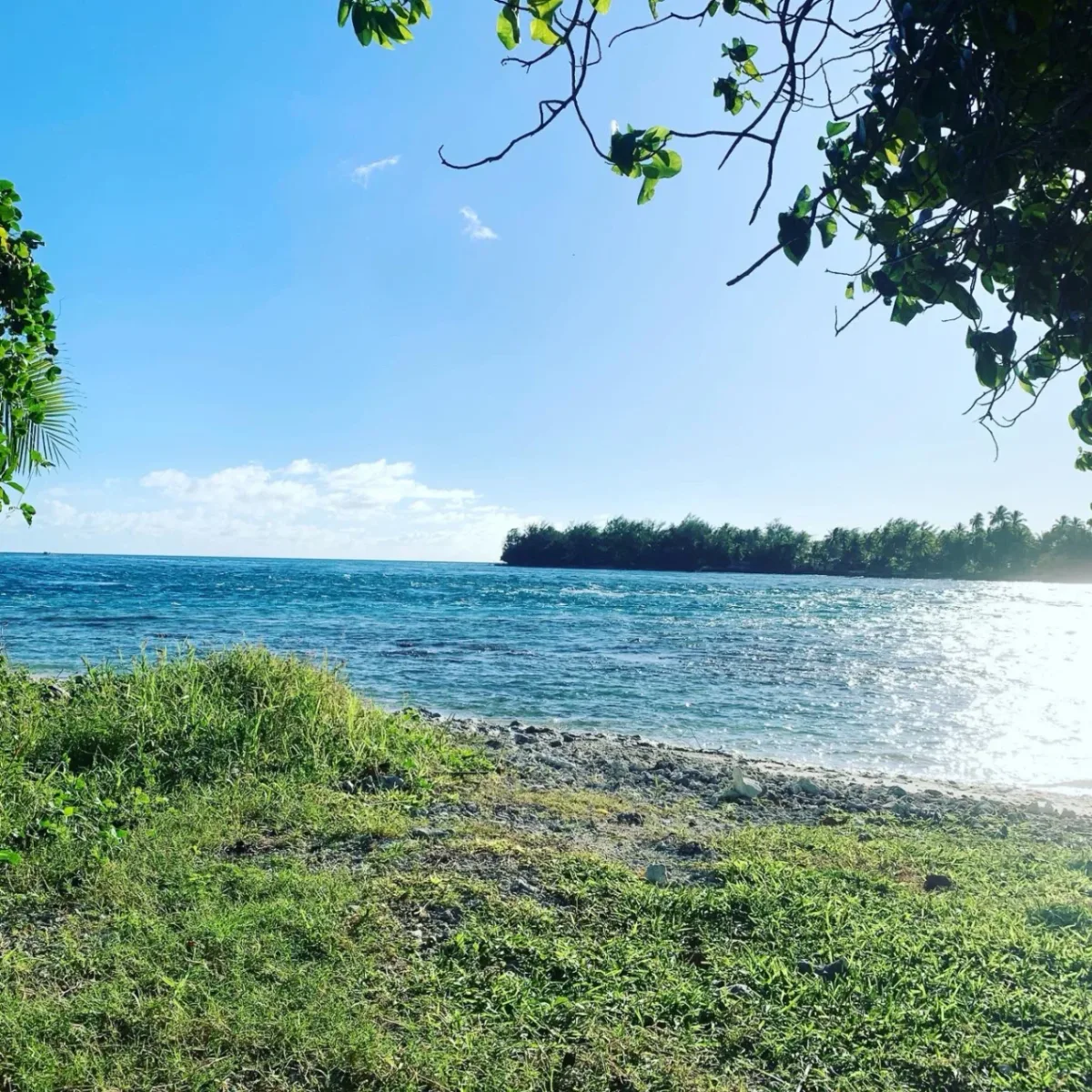
History & discovery
The old name of Tiputa Pass was “Hiri’a mata o Vavau” and the site of Tiputa was called “Te Ava Nui”.
The Hiria Pass, which separates the motu of Avatoru from that of Tiputa on the atoll of Rangiroa, is 400 m wide and 900 m long, with a depth of between 14 and 39 m. A viewpoint has been set up in the shade of magnificent tahinu trees to admire the Hiria Pass. Islanders come here to chat or contemplate the scenery. The sea spray is thick, the wind sometimes strong, the waves crash on the reef and the noise is deafening. There is something magical about this place… The current in the pass is impressive and turbulent, yet the dolphins swim up it with ease. These elegant cetaceans delight us with their acrobatics. To see them, it is best to come very early in the morning or late in the afternoon, from 4 pm. When the sea is rough, it is even better.
A beautiful old Polynesian legend tells how the first dolphins appeared:
A father alone with six children
A very long time ago, a man who had lost his wife found himself alone with his six children. One day, he decided to take them fishing in the lagoon. Together they gathered pahua (giant clams), maoa (large sea snails), vana (sea urchins) and caught a few fish: paihere (trevally), roï (groupers), iihi (squirrelfish) and ume (unicornfish). Happy with the day, the father suggested a diving contest to the children: the winner would get the biggest helping of poe (fruit purée mixed with coconut milk) at dinner.
The six children dived from the boat together. Their father began to count the seconds:
– Hoe, piti, toru, maha… (one, two, three, four…). He was very proud of his children:
– My children are the best, they are all good divers! But they took so long to come back up that he began to worry. Now he was terribly afraid for his children.
Suddenly six animals he had never seen before leapt out of the water! They did taviriviri (spins) and fell back into the water with big splashes. They swam differently from fish and came up to breathe air at the surface of the sea. Above all, they had a kind of beak with big smiles, and they played happily before his eyes. All at once, the despairing father understood that these animals were his own children, who had been transformed. They could now stay underwater for many minutes because they had become sea creatures. Dolphins in Tiputa's Hiria Pass, Rangiroa.
Even today, their descendants remember that they were once human, and that is why they love to play with people, stay close to them and bring them a little joy.
Photo credit: Bernard BEAUSSIER
The motu Nohi Nohi
The motu Nohinohi, in the middle of Tiputa's Hiria Pass, once had two names: Hitiroa and Motu Tapu (as in Pora Pora). This motu looks like a simple sandbank emerging opposite the pass. The shore of the motu facing the pass is exposed to the ocean swell and is steeper. The little motu lost all its vegetation in the 1983 cyclone. This site, used by dive clubs for introductory dives, is also visited by glass-bottom boats. The fish population is remarkable for both its diversity and its numbers (115 species counted in 40 minutes). Fish feeding and the absence of fishing have allowed several schools of predatory fish (especially snappers) to settle here, and the fish are not very wary of humans. There is said to be a “manamana stone” on this motu, and stone steps leading down into the water.
Sources: Pierre Ottino, Ethno-Histoire de Rangiroa, ORSTOM, Tahiti, 1965.
Olivier Babin 10/07/1998, TAHITI HERITAGE website
More places to explore in Tiputa
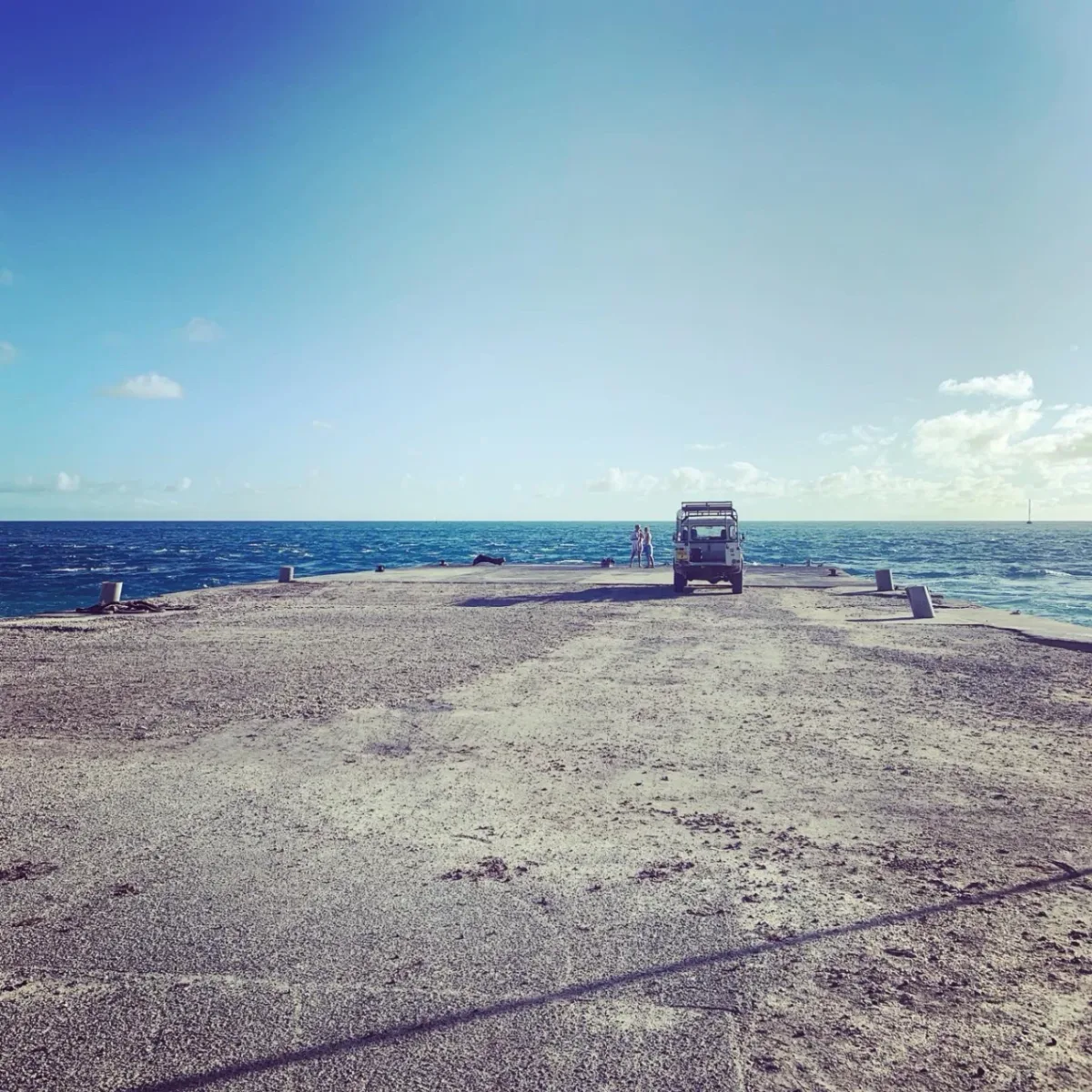
TIPUTA WHARF
Your first steps in Tiputa. This is where the water taxi stops and where excursions and dives meet. It is also where locals gather on the days the schooners arrive.
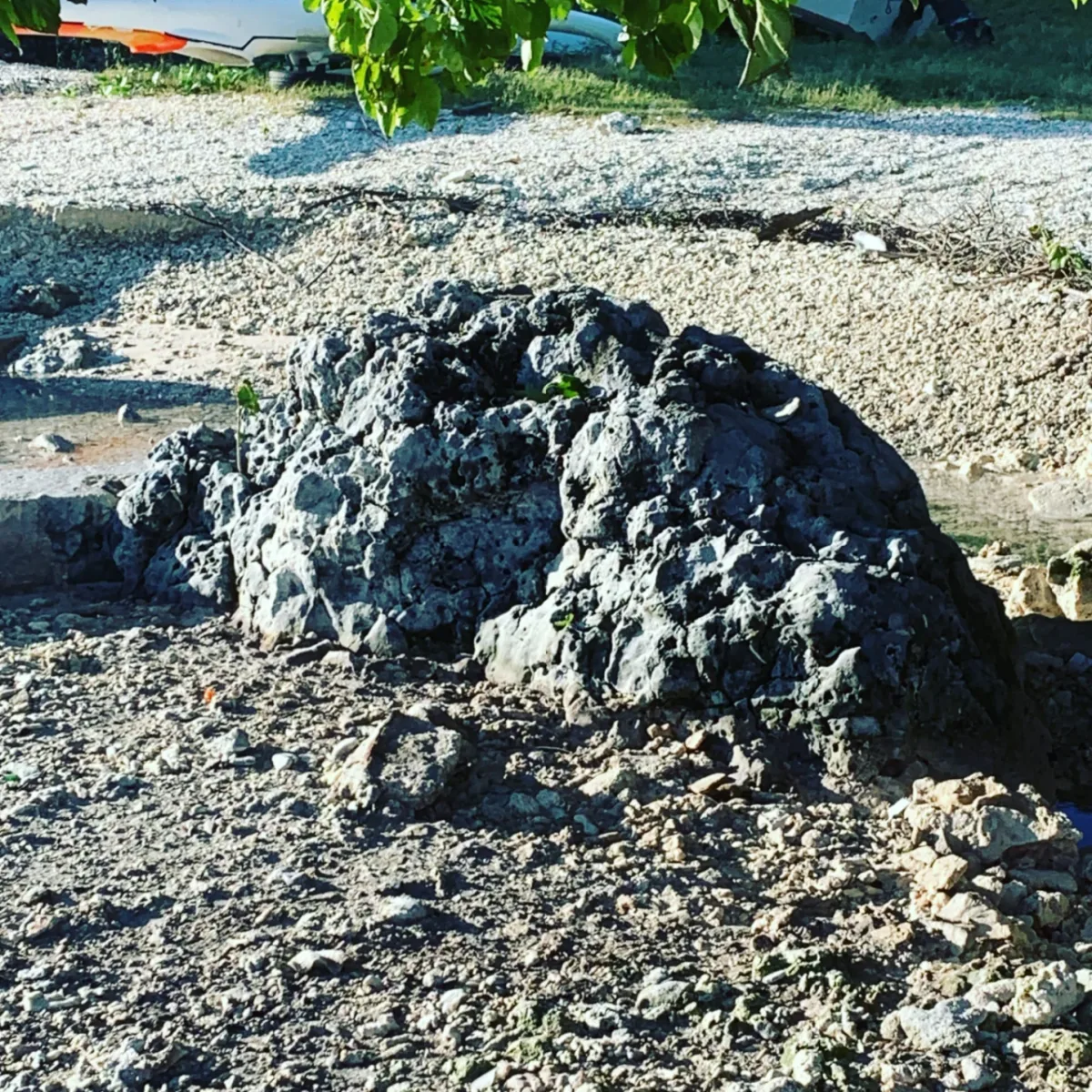
THE HEREAPAROA STONE
This stone was used to kill the whales and sperm whales that had been lured into the lagoon and ran aground. This way, the people of Tiputa could feed themselves when they had no canoes.
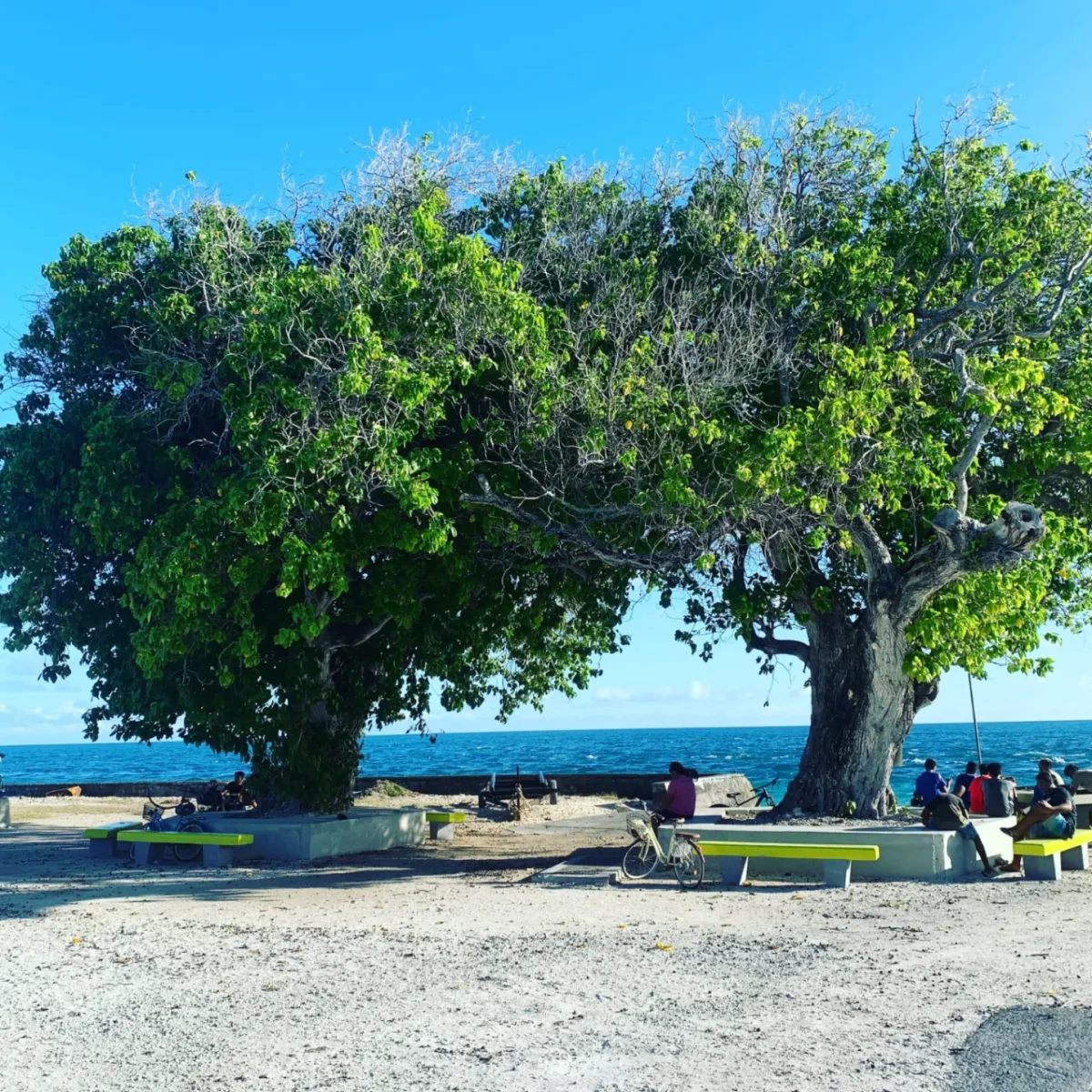
THE TWO OLD TOU TREES
These two magnificent old trees have been watching over the people of Tiputa for more than 200 years.